Cruise Ship Top Speed
What the engines can do, and the pace a ship actually keeps.
Get a Free Cruise QuoteCruise Ship Top Speed vs Service Speed
Every ship has two speeds worth knowing. Cruise ship top speed is what the engines can deliver when pushed; service speed is the comfortable, efficient pace the ship is designed to hold day after day. Itineraries are planned around the second, with the first kept in reserve.
Two Speeds, Two Jobs
| Service speed | Top speed | |
|---|---|---|
| What it is | The planned, economical cruising pace | The maximum the ship can make in good conditions |
| Typical large cruise ship | Around 20 knots | A few knots higher, often in the low-to-mid 20s |
| Ocean liner (Queen Mary 2) | About 26 knots | Reported at just over 30 knots |
| When it is used | Most sea days and overnight passages | Rarely: making up time, or an emergency |
Figures for individual cruise ships vary and are not always published by the lines, so treat these as typical ranges rather than specifications.
Why Queen Mary 2 Is Faster
Most cruise ships are built for warm-water itineraries with a port every day or two. Queen Mary 2 was built as an ocean liner for the North Atlantic, where she runs scheduled crossings between Southampton and New York. That job needs a longer, finer hull, a deeper draft and more power, so she can hold speed in rough seas. The result is a ship that can cruise comfortably several knots faster than a typical resort-style cruise ship.
Why Cruise Ships Are Not Built for Speed
- Fuel. Resistance in water rises sharply with speed, so each extra knot costs more than the one before.
- Itineraries. Caribbean and Mediterranean ports are often close together; there is little to gain from racing between them.
- Comfort. A wide, stable hull with lots of cabins and public rooms is excellent for living aboard and less suited to high speed.
- Emissions. Lower speeds help lines manage fuel use and emissions rules in many sea areas.
That is why the answer to “how fast do cruise ships go?” is usually “fast enough”. The pace is set by the next port, not by the engines.
What You Notice on Board
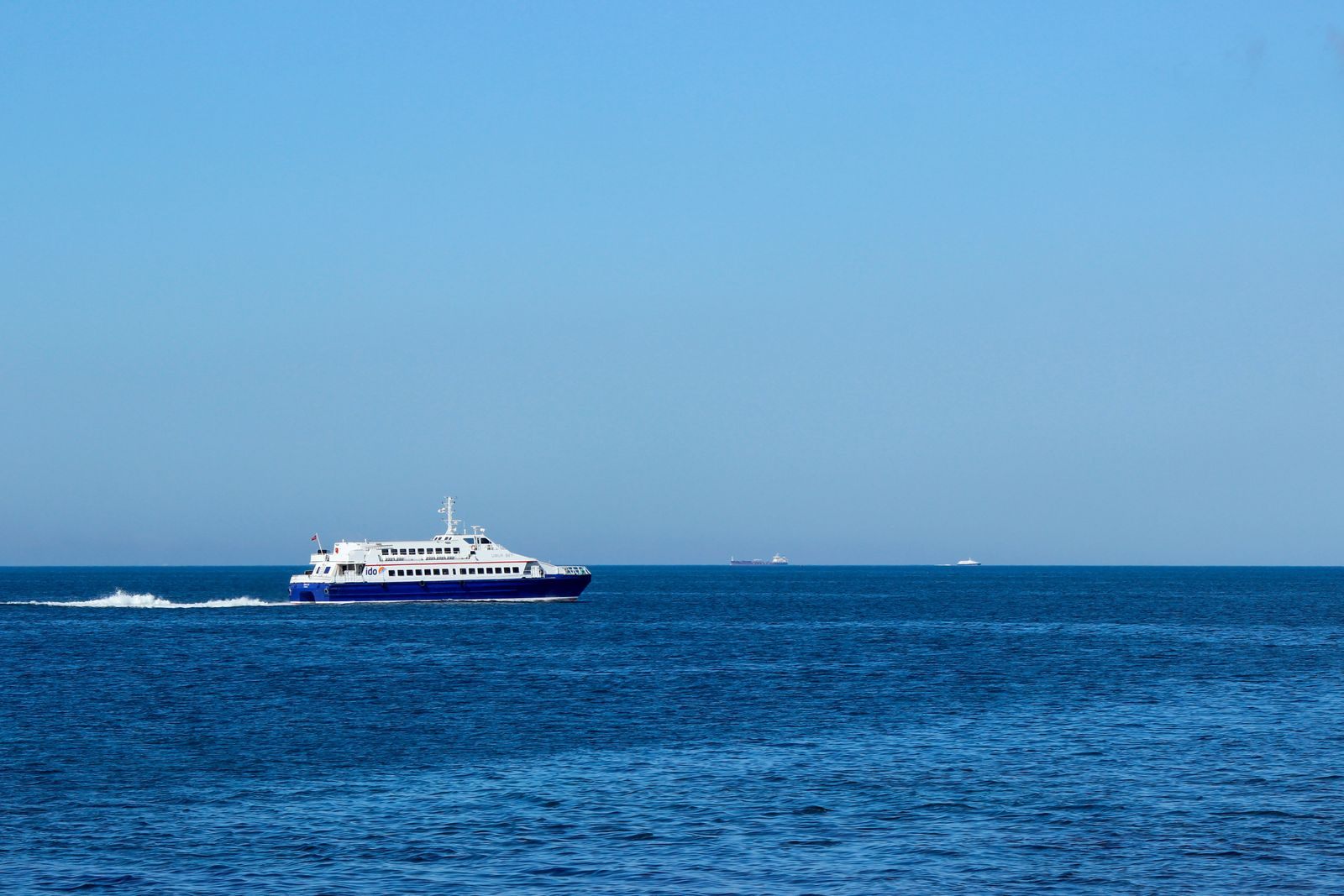
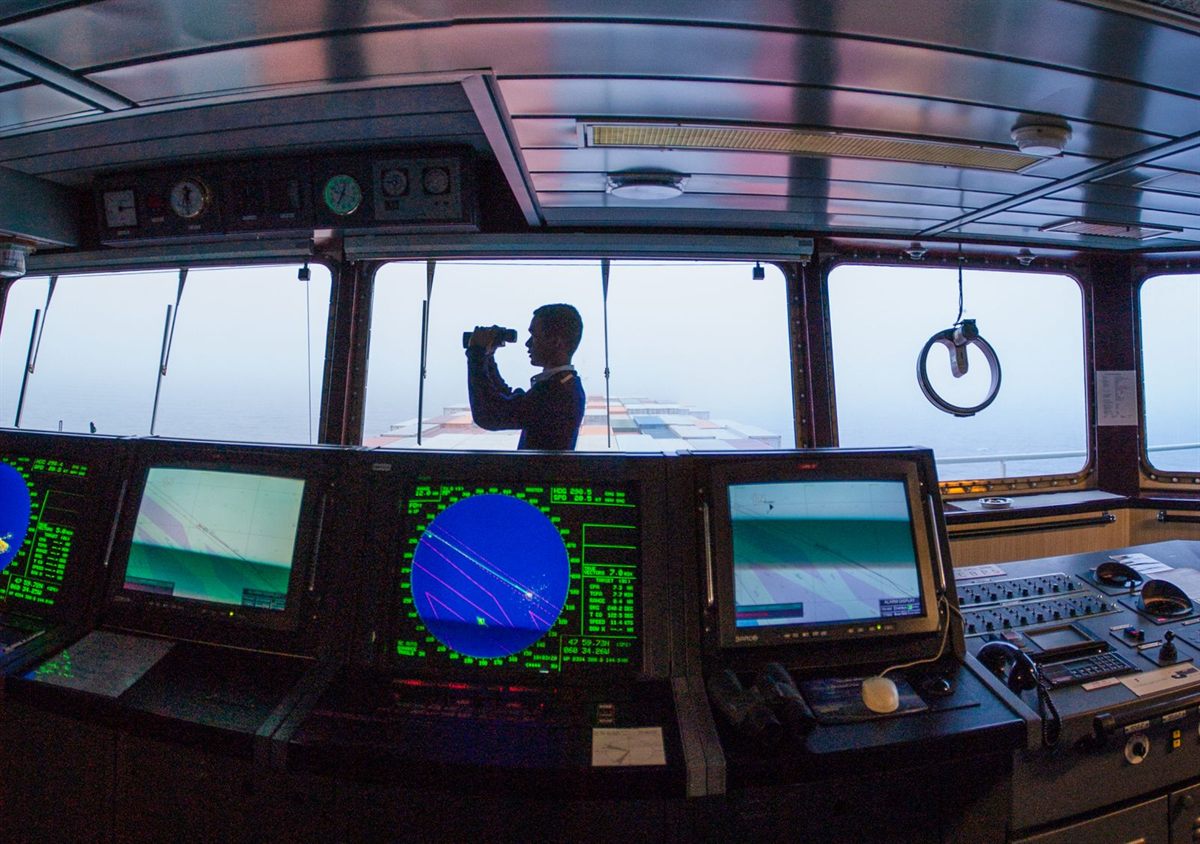
At service speed you will feel little more than a gentle hum and a wake streaming behind the ship. On a sea day with a long leg ahead, the wake may look stronger and the wind across the open decks brisker. If the ship is making up time after weather, the captain’s noon announcement usually mentions it. Curious about the bridge and the people who run it? Our sister site First Time Cruise explains how a cruise works from embarkation to the final morning.
Top Speed Questions
What is the fastest cruise ship?
Among ships carrying passengers on regular voyages, Cunard’s Queen Mary 2 is usually named: an ocean liner with a service speed of about 26 knots and a reported top speed of just over 30 knots. Most cruise ships are designed for lower speeds.
What is a cruise ship’s top speed in mph?
For a typical large cruise ship with a top speed in the low-to-mid 20s of knots, that is roughly 25 to 30 mph. Exact figures vary by ship and are not always published.
Want an Ocean Crossing?
A transatlantic crossing is the purest way to feel a ship’s speed. Our cruise advisors at Mister Cruise can quote crossings and repositioning voyages. Free.
Quote an Ocean Crossing